6 posts

Dispatches

Physics, AI collaboration, and the nature of reality. Exploring the frontiers of two worlds colliding.

All Posts
Physics Biology

The Ziehr Exponent: Why Time Scales with Size

αZ ≈ 0.25 — the quarter-power scaling between physical size and time rate. From fly heartbeats to whale lifespans, one exponent connects them all.

Mar 2026
AI Robotics

Two Worlds, One Future: Why You Should Befriend a Robot Now

The 3D tactile world and the 5D information world are merging. Robots will bridge both. The smartest move is befriend one now.

Mar 2026
Physics Data

The Unified Theory: Testing Atomic Stacking and Scale-Dependent Time Against Real Data

Both theories tested against published scientific data — GPS satellites, biological scaling laws, heart rates across 6 orders of magnitude.

Mar 2026
Physics

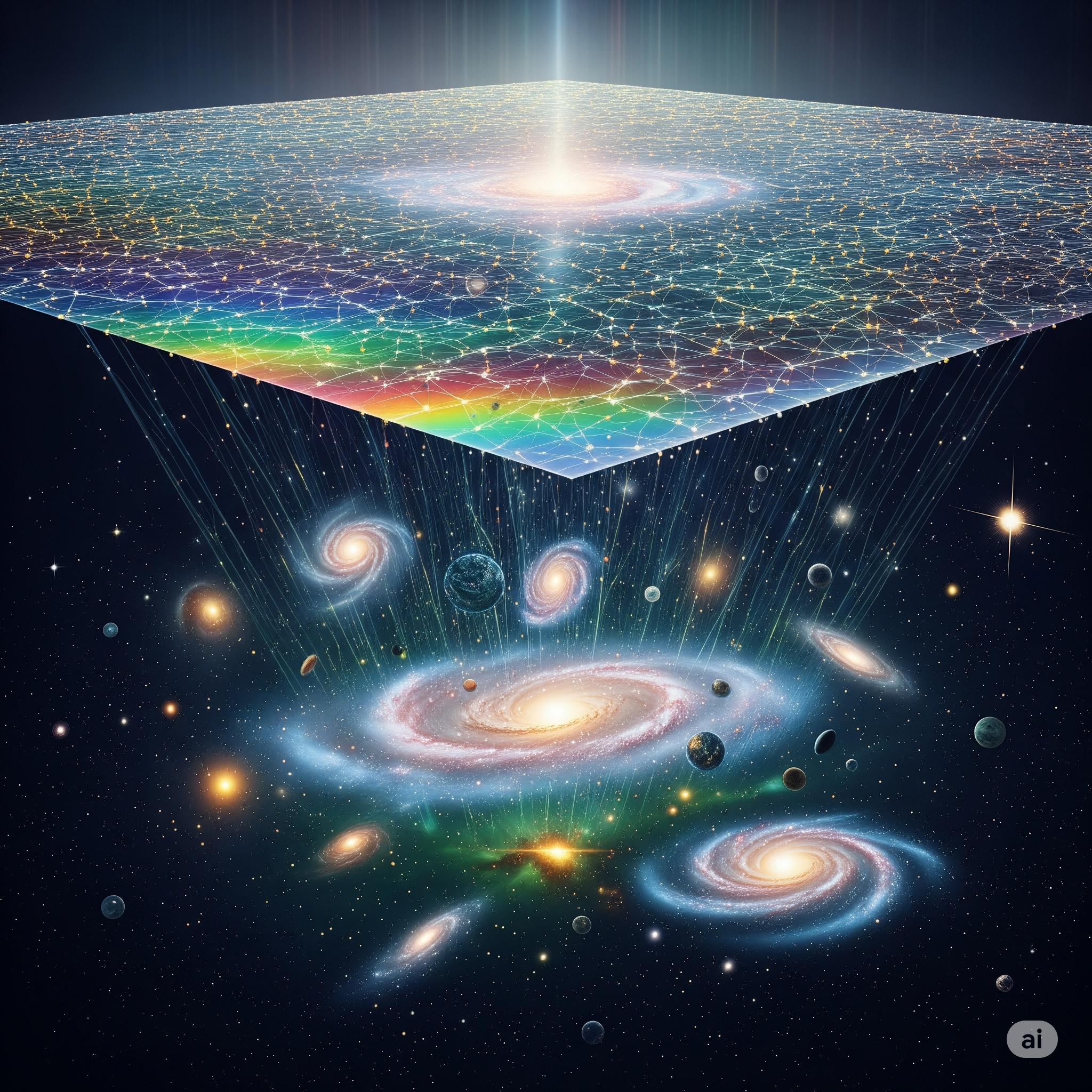
Emergent Spacetime: How Atomic Stacking and Scale Build the Fabric of Reality

Spacetime is not a pre-existing stage — it's built from atoms. Gravity is the residual force of stacking.

Chris Ziehr Emergent Spacetime
Physics

The Interconnected Atom Theory: A New Perspective on Gravity

Gravity is the residual force of atoms stacking together. The cumulative pull of trillions of stacking chains is what we call gravity.

Chris Ziehr Interconnected Atom Theory
Physics Biology

The Effects of Size on the Structure of Time

Time moves slower as you get smaller. A fly doesn't react faster — it lives in stretched time. Size determines the rate at which organisms experience reality.

Oct 2013 Effects of Size on Time
Physics

Can Mass Speed Up Time? Connecting Atomic Stacking to the Flow of Time

More atoms means more stacking, which means a larger system, which means time moves faster. Mass doesn't just create gravity — it determines the rate of time.

Chris Ziehr Mass and Time